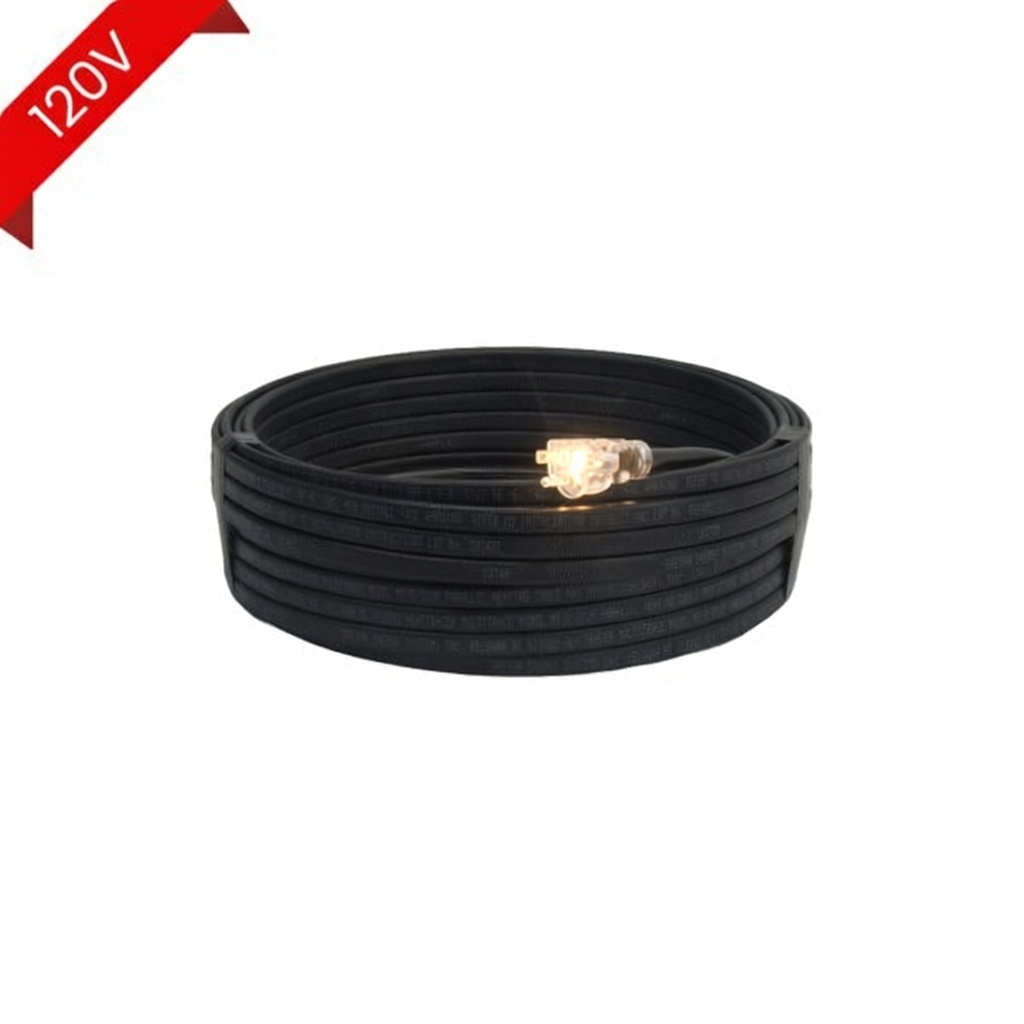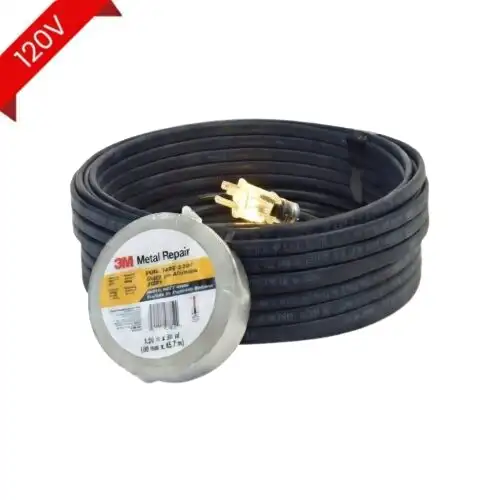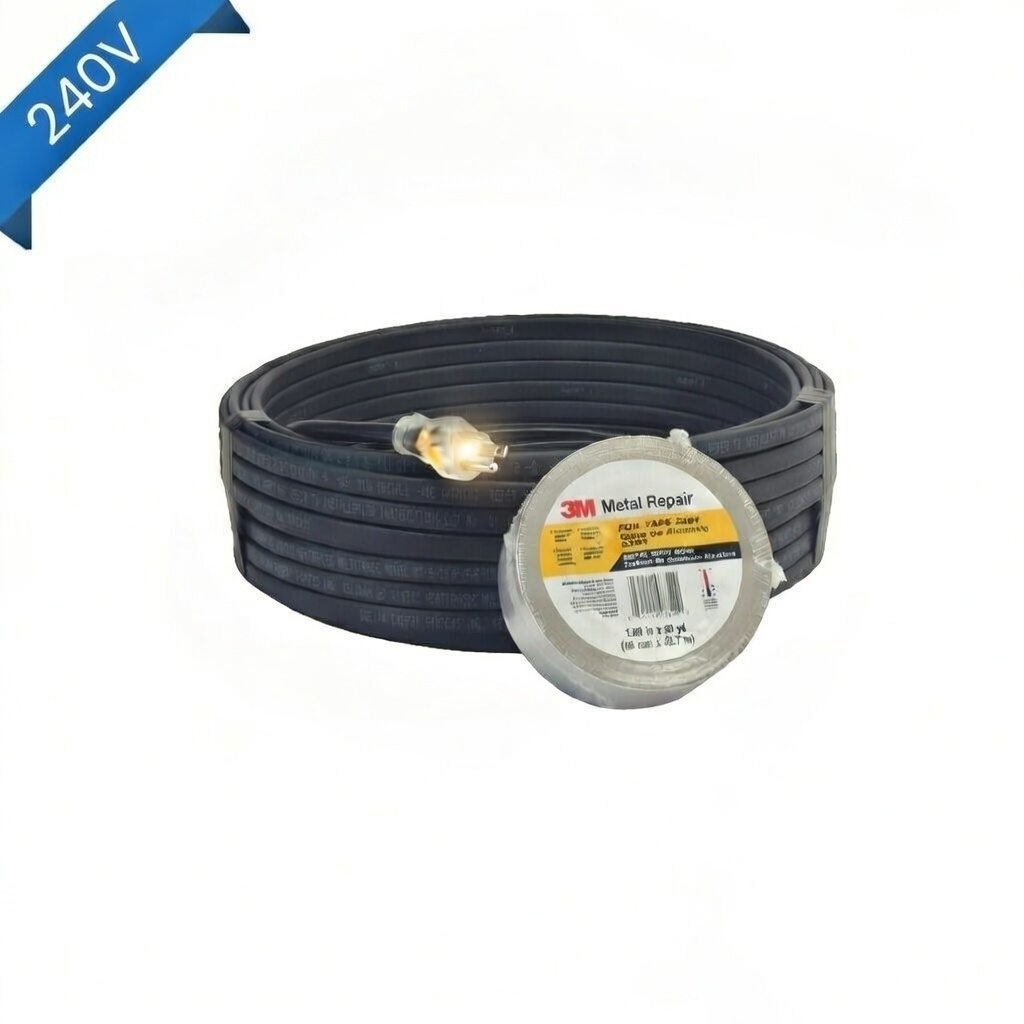
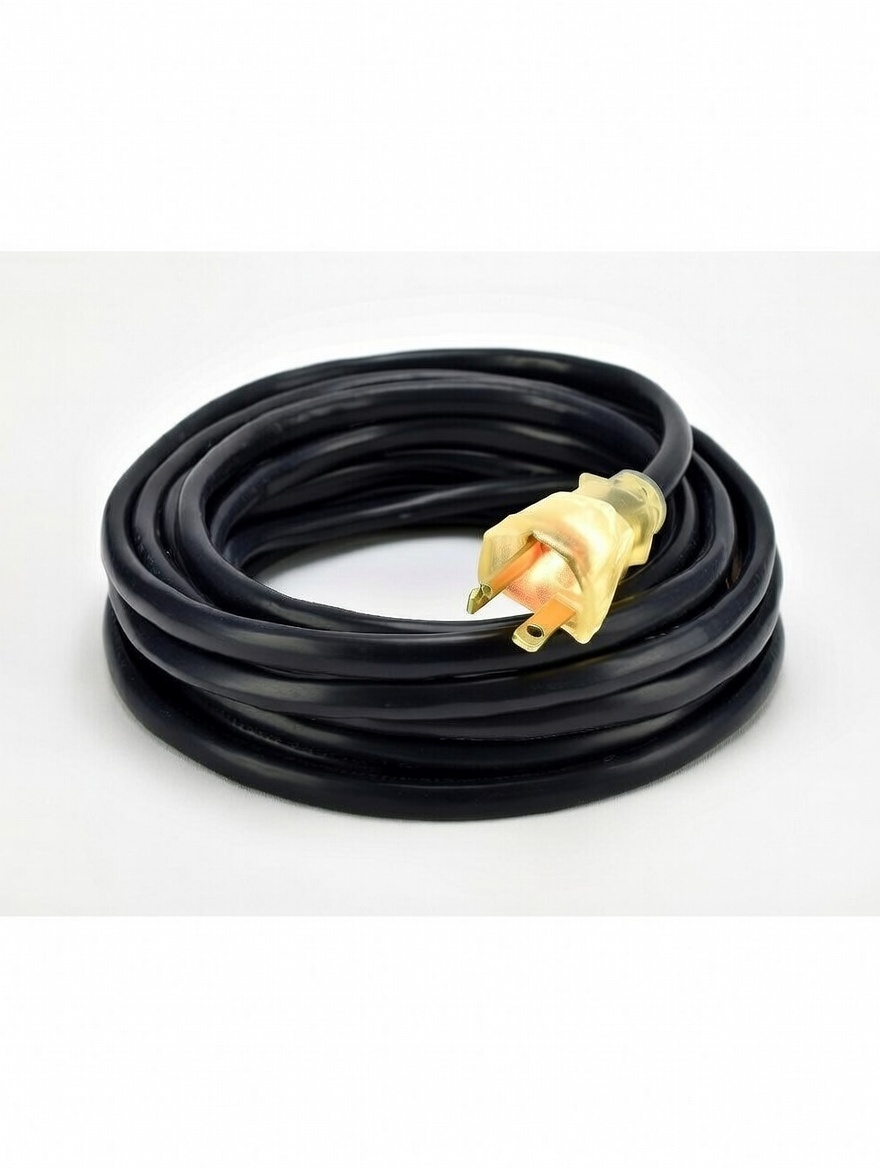
Power Cord – 120V Plug End
$9.00
120V Lighted Heat Cable Plug (12-Gauge Industrial Grade)
The “Peace of Mind” Connection | As Used by Wasatch Heat Cable
Stop using flimsy hardware on critical roof systems. Weāve upgraded the industry standard. While most plugs use thinner 14-gauge wire, we custom-spec ours with 12-gauge internal wiring.
Why? Because heat cable runs for days or weeks at a time. You need a connection that runs cooler, handles more power, and refuses to fail in the middle of a blizzard.
š§ Critical Thinking: The “12-Gauge” Advantage
Why does wire thickness matter for a plug?
Think of electricity like water flowing through a pipe.
-
Our Plugs (12-Gauge): Like a fire hose. The thicker copper reduces resistance, allowing power to flow freely with minimal voltage drop. Ā Standard Plugs (14-Gauge)Ā Like a narrow straw. Under heavy load, the resistance builds up, creating excess heat inside the plug housing. This is a common failure point.
-
The Result: Your heat cable gets the full power it needs to melt snow effectively, and the plug stays cooler and safer.
š” Features & Specs
-
Visual Power Indicator: The plug ends light up when power is flowing. You can verify your system is working from your window without stepping into the cold. (Note: LED brightness and plug housing color may vary slightly by manufacturing batch).
-
Industrial Armor: Impact-resistant housing with solid brass blades to resist corrosion in wet, salty winter environments.
-
Secure-Lock Grounding: Designed with a tight-tolerance ground pin to prevent “wobbly” connections that lead to arcing.
š ļø TOOLS NEEDED FOR INSTALLATION
Donāt get stuck on the roof without these.
-
Wire Strippers: Capable of stripping 12-gauge or 14-gauge wire (depending on your heat cable size).
-
Utility Knife: To carefully remove the outer heat cable jacket.
š„PRO TIPS FROM THE FIELD
Insights from the installation crew:
-
The “Tug Test”: After connecting your wires, give each wire a firm tug. Copper contracts in the coldāif itās loose now, it will disconnect in January.
-
The Drip Loop: When plugging this into your outdoor outlet, always leave a small loop of cable hanging below the outlet. This prevents water from running down the cord and directly into the receptacle.
-
Don’t Trust the Breaker: Before opening this plug to install it, test your outlet with a phone charger or voltage tester to ensure it is actually live (or dead if you are working on the outlet itself).
ā COMPATIBILITY CHECKLIST
This plug is the correct choice if:
-
[ ] You are using 120V Self-Regulating Heat Cable.
-
[ ] Your power source is a standard 120V residential outlet.
-
[ ] You want a visual light indicator to confirm power status.
-
[ ] You require a grounded connection (3-prong) for safety.
ā INCOMPATIBLE / DANGER
DO NOT use this plug if:
-
[ ] 240V Circuits: Connecting this plug to a 240V breaker will damage 120V cable and potentially cause a fire.
-
[ ] Ungrounded Outlets: Heat cable must be grounded. Do not use “cheater” adapters to fit this into a 2-prong outlet.
ā ļø CRITICAL WARNING ā ļø
GFEP Breaker Required: The National Electrical Code (NEC) requires that ALLheat cable circuits be protected by a Ground Fault Equipment Protection (GFEP) breaker (typically 30mA). A standard residential breaker is not sufficient and poses a significant safety risk.
ADDITIONAL INFORMATION
Product Specifications:
- 9ā in lengthĀ
- BlackĀ
- 12awg wire housed in the jacketingĀ
- Tips are soldered to avoid fraying
- Weather/Outdoor rated