Self Regulating Heat Cable End Seal Kit
$3.25 – $11.50Price range: $3.25 through $11.50
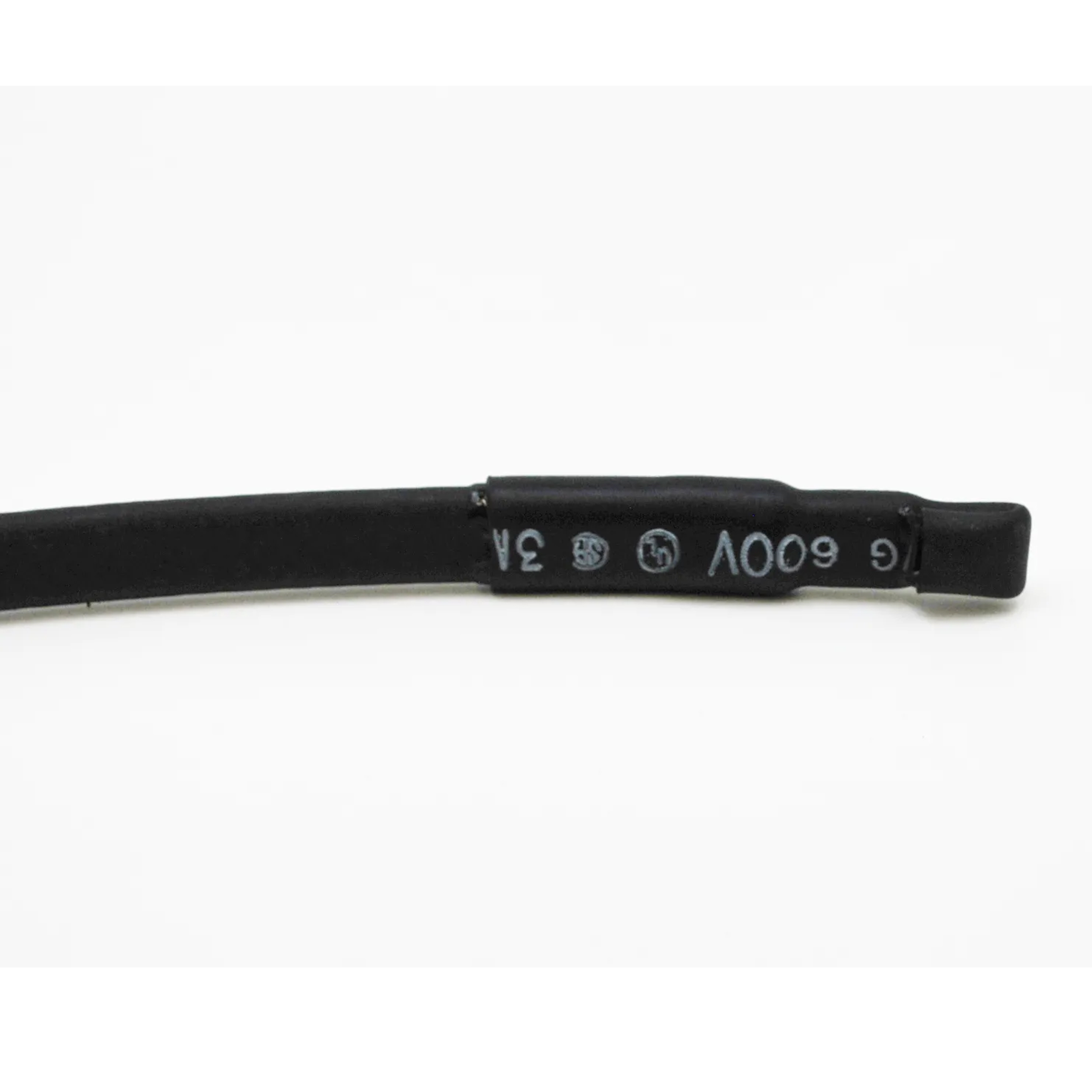
Self-Regulating Heat Cable End Seal Kit – Secure Cable Termination
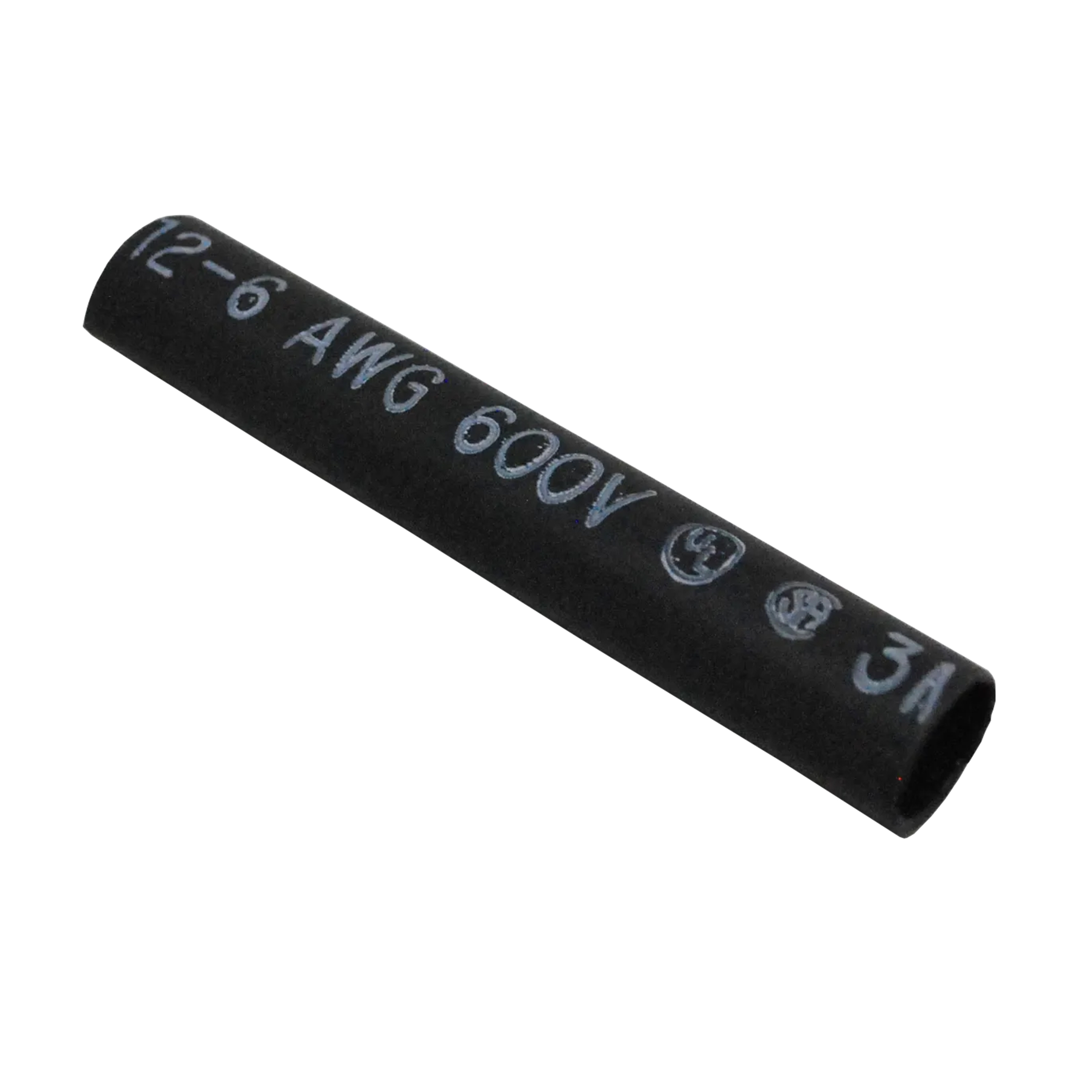
This self-regulating heat cable end seal kit provides a secure, weather-resistant termination for pipe and roof deicing systems. The Most Important 4 Inches of Your Install.
You’ve run the cable, clipped it to the roof, and hooked up the power. You’re done, right? Wrong.
Leaving the end of your heat cable exposed—or worse, wrapping it in standard electrical tape—is the fastest way to destroy your system. The Wasatch End Seal Kit is the industry-standard method for permanently terminating the end of a self-regulating cable run. It seals the core against moisture ingress, preventing corrosion and ensuring your cable lasts for decades.
Why You Need This Kit:
-
Water is the Enemy: Self-regulating cable has a conductive core. If moisture enters the end of the cable, it can cause the carbon matrix to delaminate or short out. This heat shrink tube creates a 100% waterproof barrier.
-
Adhesive-Lined Armor: This isn’t standard wire-wrap. This is heavy-wall heat shrink lined with a heat-activated adhesive (glue). When heated, the glue melts and bonds to the cable jacket, creating a seal that is impossible for water to penetrate.
-
UV Resistant: Built to withstand constant sun exposure on the roof without cracking or peeling.
Kit Specifications:
-
Type: Heavy-Duty Adhesive-Lined Heat Shrink Tubing
-
Diameter: 1-1/2″ (fits all standard self-regulating cables)
-
Length: 4″ (provides ample overlap for a secure seal)
-
Application: Used for terminating the “dead end” of the cable run.
🛠 Tools You Will Need:
Success is 90% preparation. Have these ready before you start:
-
Heat Gun: Required. Do not use a lighter, torch, or hair dryer. You need the high, consistent temperature of a heat gun to properly activate the internal adhesive lining without burning the outer jacket.
-
Pliers (Flat Nose or Linesman): You will need these to clamp the end of the tube shut while it is hot. Do not use your fingers!
-
Wire Cutters: To cleanly trim the bus wires and grounding braid so they don’t touch inside the seal.
🔥 Pro-Tips from the Field
Master the “Pinch & Seal” technique used by Eric Wimmer.
-
The “Cut-Back” Safety Zone: Before sliding the tube on, cut a small V-notch out of the matrix between the two bus wires, or snip one bus wire 1/8″ shorter than the other. This guarantees that even if the cable is crushed later, the two live wires physically cannot touch and arc.
-
Pliers are Mandatory: Heat the tubing until it shrinks tight. While it is still hot and soft, take your pliers and firmly pinch the open end closed. Hold it for 10-15 seconds until it cools and stiffens. This fuses the internal glue together, creating a watertight “clamp” at the tip.
-
Don’t “Drown” the Tip: Even though this seal is waterproof, don’t tempt fate. When laying out your cable, try to position the end seal so it isn’t sitting at the very bottom of a gutter where sludge and standing water accumulate. Clip it slightly up the side or end of the gutter if possible.
⚠️ Common Rookie Mistakes:
-
Mistake #1: Forgetting the End Seal. (It happens more than you think). Never leave a cut end exposed to the air for more than a few days. Moisture wicks into the core like a straw.
-
Mistake #2: The “Short Circuit” Crimp. If you pinch the pliers too hard over the wires themselves (rather than just the empty tubing at the end), you might crush the two bus wires together, creating a dead short. Only pinch the excess tubing at the very tip!
THE WASATCH STANDARD:
We believe in doing it right the first time. This kit gives you everything you need to make a splice that you never have to worry about again.
THE WASATCH GUARANTEE:
We stand behind our craftsmanship. Every Plug ‘N’ Play kit is backed by an unbeatable 10-Year Limited Warranty. We build them to last, so you can sleep soundly while the snow melts.
NEED HELP WITH LAYOUT?
Check out our “Diagrams & Layouts” page or watch Eric’s latest tutorial to see exactly how to space your clips and apply M-1 glue for a leak-free install. – Coming Soon!
WHAT’S INCLUDED
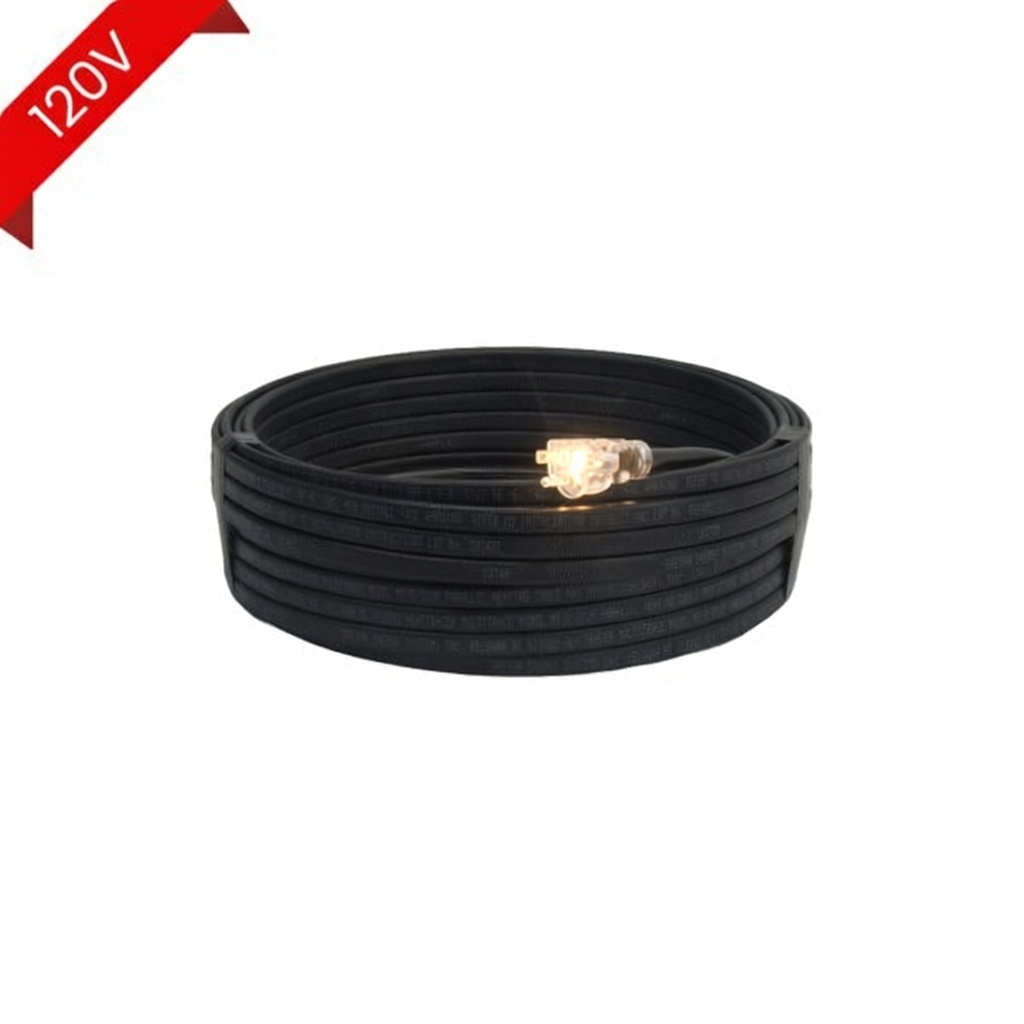
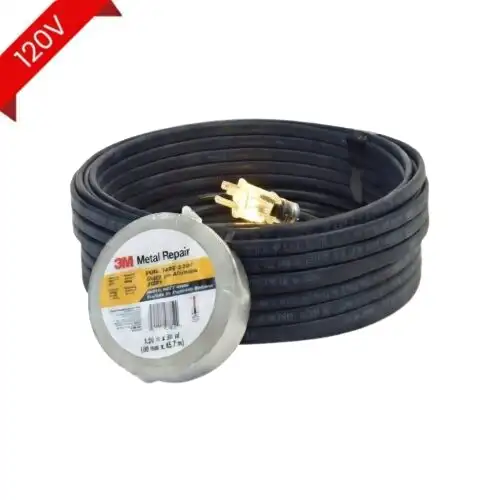
- Drexan MultiTrace® Self-Regulating Cable (The gold standard for longevity)
- Factory-Terminated Power Plug (Grounded & Lighted) OR
- GFEP Factory-Terminated Power Plug (Grounded & Not lighted)
OTHER MATERIALS NEEDED:
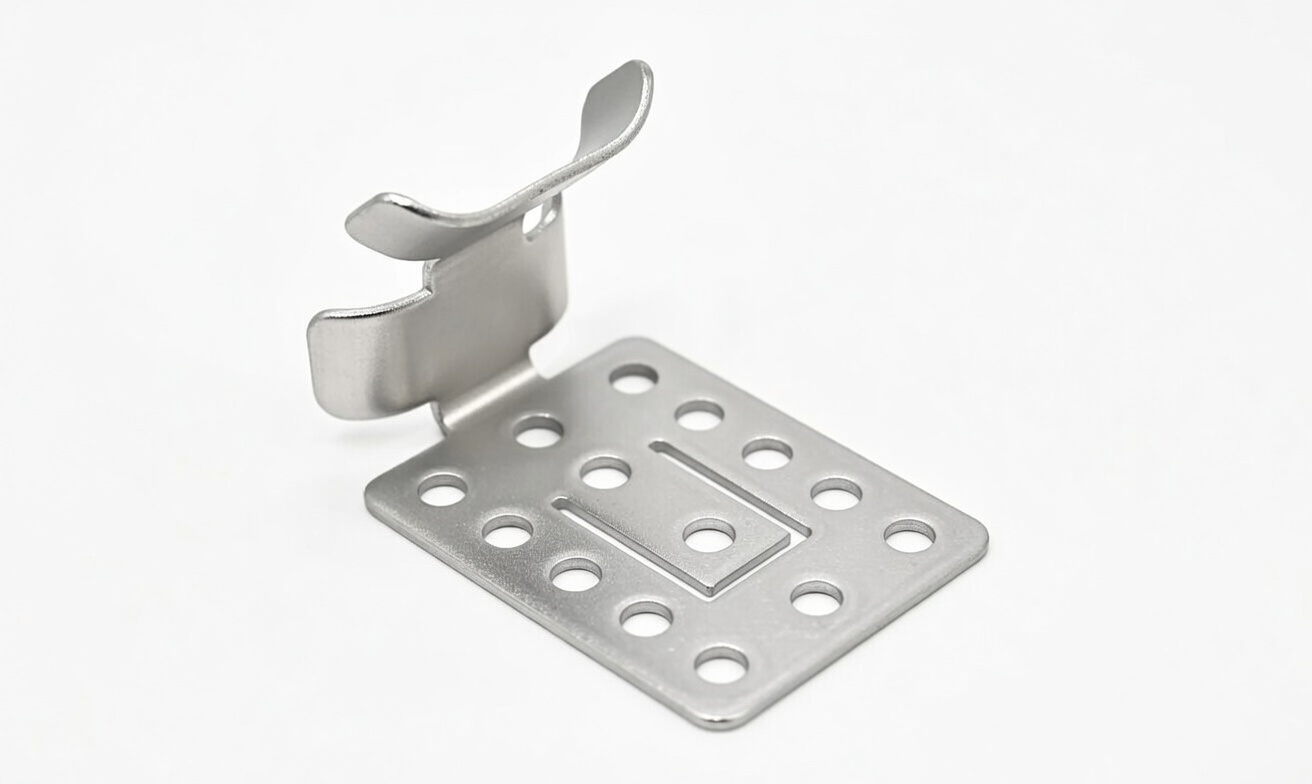
- Aluminum Roof Clips: These corrosion-resistant clips are designed to hold the cable firmly in the “zig-zag” pattern on both asphalt shingles and metal roofs. Click Here
- M-1 Structural Adhesive: This is the only glue we trust. Unlike silicone that peels off in a year, M-1 creates a permanent chemical bond (up to 400 PSI) that cures even in damp or cold conditions. Requires a caulk gun. Click Here
How many Clips & Glue do I need? For a standard zig-zag or valley installation, a good starting point is to estimate 1 clip for every 24 inches (2 feet) of run.
- Note: This is an approximation based on typical roof layouts. Every project is unique, so don’t stress about getting the number perfect—you can always purchase extra clips or tubes of M-1 adhesive later if you find you need tighter spacing.
WHY CHOOSE A Heatcable.com ‘N’ PLAY KIT?
- Skip the Electrician: No hard-wiring required. These kits come with a pre-terminated, grounded power plug. Just mount the cable and plug it in.
- Instant Visual Check: The integrated Lighted Plug gives you instant peace of mind. One look tells you the system is powered up and melting snow. (Note: Actual plug brightness and color may vary).
VOLTAGE MISMATCH
WHY 120V MATTERS. DO NOT PLUG THIS 120V KIT INTO A 240V POWER SOURCE. HERE IS WHAT HAPPENS IF YOU DO:
The “Fixed Resistance” Danger: Old-school cables have a fixed resistance. If you double the voltage (by plugging into 240V), they get hotter and hotter until they burn themselves out or start a fire.
The Drexan Difference (Fail-Safe): Our self-regulating cable is smarter. If you hit it with 240V, it tries to generate 4x the power. However, because it is self-regulating, it senses that massive heat spike and fights to regulate it downward.
The Result: The cable wins the safety battle, but loses the war. The internal core is pushed beyond its limit trying to keep you safe. Instead of catching fire, it will simply “fail cold”—meaning the core degrades and will permanently stop producing heat.
Bottom Line: Plugging this kit into 240V won’t burn down your house, but it will ruin your cable and void the manufacturer warranty.
⚠️ CRITICAL WARNING
- It is recommended not to cut this cable. If a qualified technician cuts or modifies the cable for any reason, the warranty from Heatcable.com is immediately void. In this instance, the responsibility of the warranty falls entirely on the qualified technician performing the work. If you have excess cable, instead of cutting it, we recommend doubling it back into the gutter or downspout to increase melting power in that area.
- Code Compliance: Installation must strictly adhere to all applicable state and local electrical codes. We recommend consulting with a licensed electrician or your local building authority to ensure full compliance.
⚠️ INSTALLATION WARNING
Must be installed by a Qualified Electrician. To maintain the UL 508A Certification and ensuring the GFEP functions correctly, all input and output wiring must adhere to local, state, and national electrical codes.
✅ COMPATIBILITY CHECKLIST
Before you buy, confirm this kit fits your home:
- Voltage: 120V standard outlet (Verify your power outlet is 120V, not 240V).
- Gutter Type: Safe for Aluminum, Steel, and Copper gutters/downspouts.
- Outlet Proximity: Measure the distance from your roof edge to the outlet. You cannot use an extension cord. Ensure the kit length + lead is sufficient to reach the power source directly.
❌ INCOMPATIBLE / DANGER
To prevent fire, shock, or system failure, AVOID the following:
- NO EXTENSION CORDS: Never plug this kit into an extension cord. The resistance can cause overheating and fire. It must be plugged directly into a wall receptacle or controller.
- NO BURIED CABLE: Do not install this cable inside walls, under shingles, or buried in building insulation. The cable can be installed under our Patented Thermal Cartridge System.
- NO COILING: While Drexan cable is self-regulating, do not leave the cable coiled up in a tight spool while powered on. Unspool the cable completely before plugging it in to test.
⛑️ Important Safety & Specs:
- GFEP Protection: Safety is non-negotiable. If you do not select a kit with a built-in GFEP plug, the device must be used with a Ground-Fault Equipment Protected (GFEP) circuit.
- System Compatibility: The GFEP can also be applied in a custom or standard controller box, provided the controller already includes a GFEP component.
- Factory-Built Confidence: We don’t outsource our quality. These are assembled right here in Utah by pros who know winter.
TOOLS & TIPS
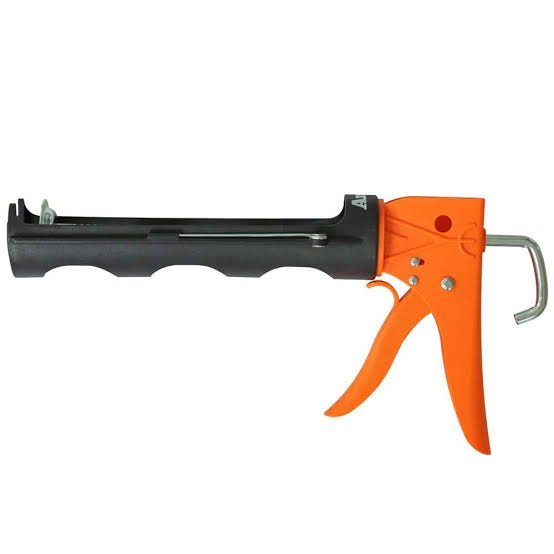
- Caulk Gun: Required for applying the M-1 Structural Adhesive. (We recommend a high-ratio “dripless” gun for easier application in cold weather).
- Extension Ladder: To safely access your roofline.
- Clean Rags & Isopropyl Alcohol: Essential for cleaning smooth surface areas—such as membrane and metal roofs—where clips will be glued. Any dust or grime left on the surface will cause the adhesive to fail.
- Light Duty Brush: Essential for brushing away loose granules and debris on asphalt shingle roofs before installing clips.
- Measuring Tape: To ensure consistent spacing for your “zig-zag” pattern.
- Pliers: Helpful for crimping the roof clips slightly if needed for a tighter hold on the cable.
🔥 PRO-TIPS FROM THE FIELD
- Don’t just install it—install it like a pro.
- The “Hershey Kiss” Method: When using the M-1 glue, don’t smear it flat like paint. Apply a nickel-sized dollop (shaped like a Hershey Kiss) under the clip. Press the clip down until glue pushes through the holes, but leave a layer of adhesive between the clip and the roof. This creates a chemical bond that lasts for decades.
- Create the “Melt Channel”: Remember, the cable doesn’t melt the whole roof; it creates a path for water to escape. Ensure your cable extends past the roof edge (1 inches or more) over the gutter to prevent an ice dam from forming right at the lip.
- Check Your GFEP: If you aren’t buying the GFEP plug option, you must plug this into an outlet protected by a GFEP breaker. We recommend testing the breaker before every winter season. Note: Your GFEP may also be in your controller.
- The “Drip Loop”: When plugging the unit in, make sure there is a small loop in the power cord below the outlet. This prevents water from running down the cord and directly into your electrical socket.
Our Guarantee
We stand behind our craftsmanship. Every Plug ‘N’ Play kit is backed by an unbeatable 10-Year Limited Warranty. We build them to last, so you can sleep soundly while the snow melts.
NEED HELP WITH LAYOUT?
Check out our “Diagrams & Layouts” page or watch Eric’s latest tutorial to see exactly how to space your clips and apply M-1 glue for a leak-free install. – Coming Soon!
Please consult the Drexan MultiTrace spec sheet for circuit capacities. Because this item is built to your unique specifications, returns are subject to a 25% restocking fee plus return shipping costs.